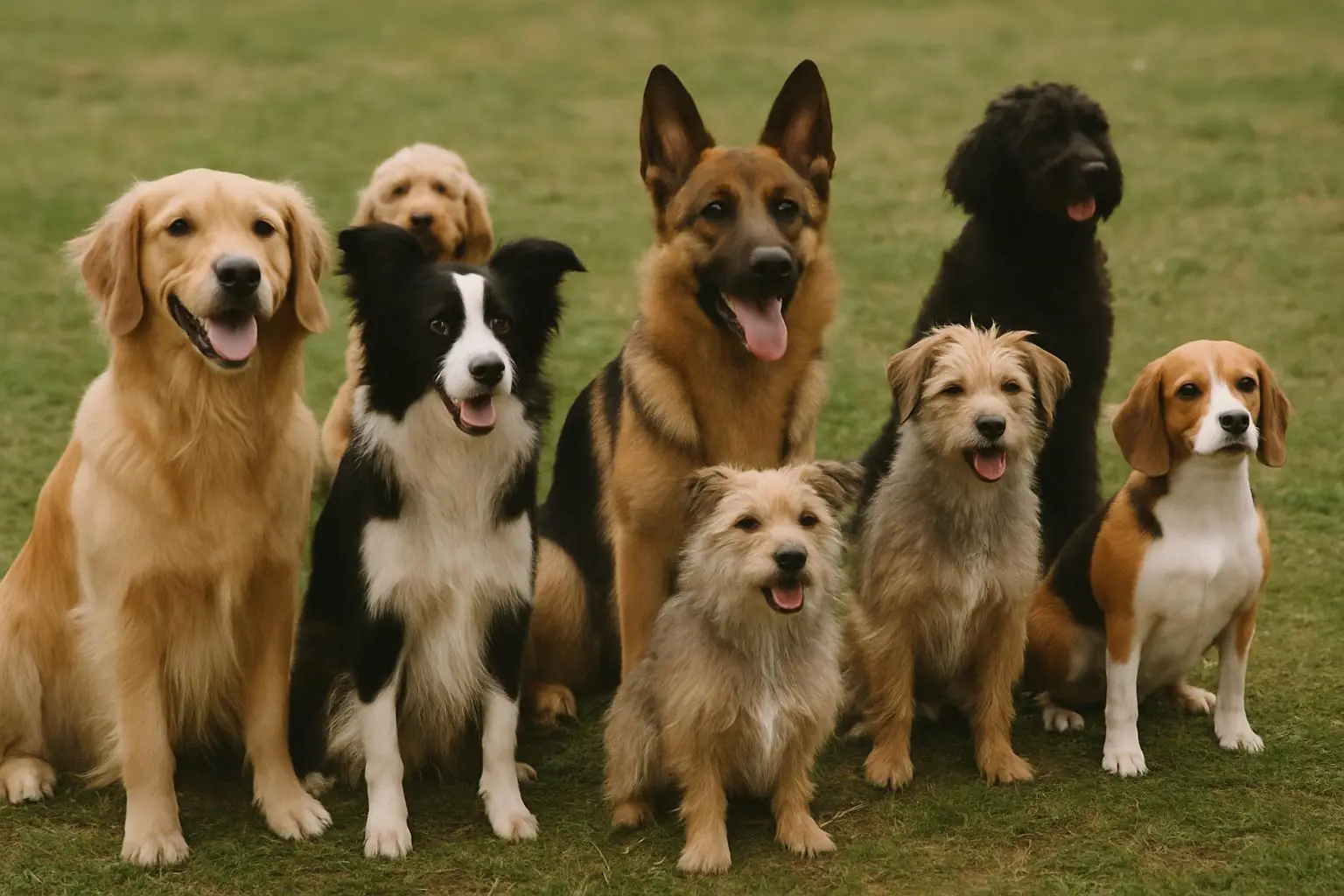
Choosing the right dog breed is one of the most important decisions you'll make as a prospective pet owner. The perfect match between you and your future furry companion can lead to years of joy, while a poor match might result in challenges for both you and your dog. Let's explore the essential factors that will help you find your ideal canine partner.
Understanding Your Lifestyle Needs
Before falling in love with a particular breed's appearance, it's crucial to honestly assess your lifestyle and living situation. Different breeds have vastly different needs, and understanding these requirements upfront can save you from future complications.
Consider your daily schedule: Are you home most of the day, or do you work long hours? High-energy breeds like Border Collies and Australian Shepherds need substantial daily exercise and mental stimulation. If you're frequently away from home, these breeds might not be the best fit. Instead, more independent breeds like Basset Hounds or French Bulldogs might suit your lifestyle better.
💡 Pro Tip: Use our Perfect Breed Matcher tool to get personalized breed recommendations based on your specific lifestyle, living situation, and experience level. It analyzes over 172 breeds to find your ideal matches.
Space and Living Environment
Your living space plays a significant role in determining which breeds will thrive in your home. While it's a common misconception that large dogs always need large spaces, the reality is more nuanced.
Apartment dwellers shouldn't automatically rule out larger breeds. Great Danes, for example, are often called "apartment dogs" due to their calm demeanor and moderate exercise needs. Conversely, small terriers might struggle in apartments due to their high energy and tendency to bark.
Consider these factors about your living space:
- Do you have a securely fenced yard?
- Are there noise restrictions in your building or neighborhood?
- How much indoor space do you have for a dog to move around?
- Are there nearby parks or walking areas?
Exercise and Activity Requirements
Different breeds have dramatically different exercise needs, ranging from a gentle 20-minute walk to several hours of intense activity daily. Matching your activity level with your dog's needs is essential for both your happiness and your dog's physical and mental health.
Working breeds like German Shepherds and Belgian Malinois were bred for demanding jobs and need substantial physical and mental exercise. Without adequate stimulation, these dogs may develop destructive behaviors. On the other hand, brachycephalic breeds (flat-faced dogs) like Pugs and English Bulldogs have lower exercise tolerance due to their breathing limitations.
Experience Level and Training Needs
Your experience with dogs should heavily influence your breed choice. First-time dog owners often do best with breeds known for their trainability and even temperaments, such as Golden Retrievers, Labrador Retrievers, or Cavalier King Charles Spaniels.
Some breeds, while wonderful, require experienced handling. Strong-willed breeds like Siberian Huskies or independent breeds like Afghan Hounds can be challenging for novice owners. These dogs often need consistent, patient training and a firm understanding of canine behavior.
Grooming and Maintenance Requirements
The amount of time and money you're willing to invest in grooming should factor into your decision. Some breeds require professional grooming every 6-8 weeks, while others need only basic at-home care.
Consider these grooming factors:
- Shedding levels and seasonal coat changes
- Brushing frequency requirements
- Professional grooming needs and costs
- Special care requirements (ear cleaning, nail trimming)
Family Considerations
If you have children or plan to have them, choosing a breed with a good temperament around kids is crucial. While any dog can be good with children when properly socialized and trained, some breeds are naturally more patient and gentle.
Breeds like Golden Retrievers, Beagles, and Bulldogs are typically excellent with children due to their patient nature and stable temperaments. However, very small breeds might be better suited for families with older children who understand how to interact gently with pets.
🎯 Ready to find your match? Our AI-powered breed matching tool takes all these factors into account and provides personalized recommendations with detailed explanations for each suggested breed.
Health and Longevity Considerations
Different breeds have varying predispositions to certain health conditions and different lifespans. Larger breeds typically have shorter lifespans (8-12 years) compared to smaller breeds (12-16 years). Research common health issues in breeds you're considering and factor in potential veterinary costs.
Mixed breeds often have fewer health issues due to their genetic diversity, while purebreds may be more susceptible to breed-specific conditions. Consider whether you're prepared for potential health challenges and associated costs.
Making Your Final Decision
After considering all these factors, you should have a clearer picture of what type of dog would fit best into your life. Remember, there's no perfect breed for everyone – only the perfect breed for you and your specific situation.
Take your time with this decision. Visit dog shows, talk to breeders and rescue organizations, and spend time with different breeds if possible. The more informed your decision, the better the outcome for both you and your future canine companion.
Most importantly, remember that while breed characteristics provide general guidelines, each dog is an individual. Proper socialization, training, and care are just as important as breed selection in creating a wonderful pet-owner relationship.