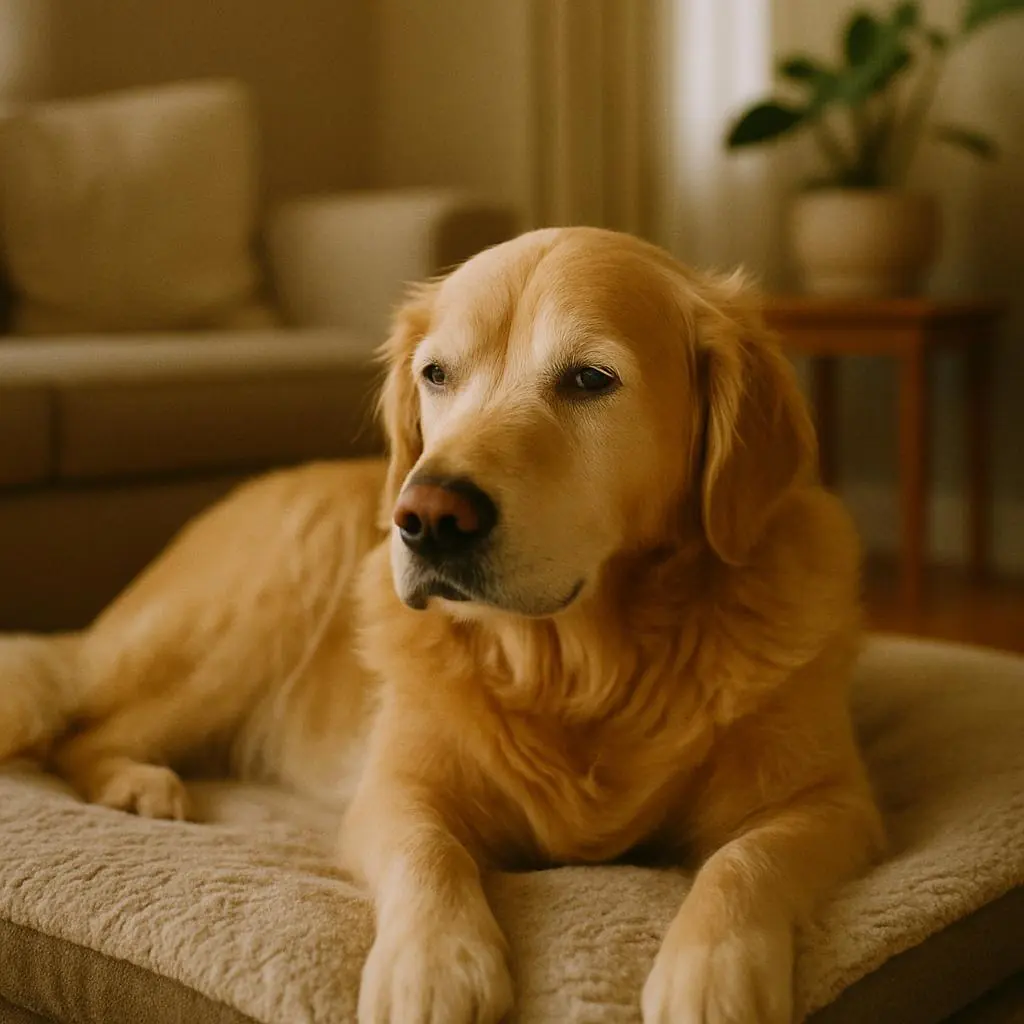
The old "multiply by seven" rule for calculating dog years is not only outdated but scientifically inaccurate. Recent research has revolutionized our understanding of how dogs age, revealing that the aging process varies significantly by breed size, genetics, and individual factors. Understanding these patterns can help you provide optimal care throughout your dog's life.
The New Science of Dog Aging
Modern research has shown that dogs don't age linearly compared to humans. A groundbreaking 2019 study published in Cell Systems revealed that dogs age rapidly in their first year, then the aging process slows and varies by size. Small dogs tend to live longer but may show signs of aging differently than large breeds.
The key discovery is that aging is influenced by several factors:
- Breed size (smaller dogs generally live longer)
- Genetic predisposition
- Lifestyle and environmental factors
- Healthcare and nutrition quality
🧮 Calculate Accurately: Use our Real Dog Age Calculator to determine your dog's actual age based on current scientific research. Get breed-specific aging insights and life stage care recommendations.
Understanding Life Stages
Puppyhood (0-18 months)
This critical period involves rapid physical and mental development. Puppies undergo significant neurological development, with their brains not fully mature until 12-18 months in most breeds (24 months for large breeds). During this time, proper socialization, nutrition, and veterinary care set the foundation for lifelong health.
Young Adult (1-3 years)
Dogs reach physical maturity but may still show puppy-like behaviors. This is typically the most energetic period, requiring consistent exercise and mental stimulation. Establishing good habits during this stage prevents behavioral issues later in life.
Prime Adult (3-6 years)
The peak years for most dogs, characterized by stable energy levels and full physical development. Regular health screenings become important as this is when genetic predispositions to certain conditions may begin to manifest.
Mature Adult (6-9 years)
Early signs of aging may appear, though many dogs remain quite active. This is when preventive care becomes crucial, including regular blood work, dental care, and monitoring for early signs of age-related conditions.
Senior (9+ years)
Considered senior earlier for large breeds (7+ years) and later for small breeds (10+ years). Requires modified exercise routines, potential dietary changes, and more frequent veterinary monitoring.
Breed Size and Aging Patterns
Small Breeds (Under 25 lbs)
Small dogs like Chihuahuas and Toy Poodles often live 12-16 years. They age more slowly in their adult years but may experience rapid aging in their final years. Common age-related issues include dental problems, luxating patella, and tracheal collapse.
Medium Breeds (25-60 lbs)
Breeds like Beagles and Cocker Spaniels typically live 10-14 years. They show more linear aging patterns and may develop breed-specific conditions like hip dysplasia or eye problems in their senior years.
Large Breeds (60-90 lbs)
Large dogs such as Golden Retrievers and German Shepherds usually live 8-12 years. They often show signs of aging earlier, particularly joint issues and certain cancers. However, they may maintain their personality and mental acuity well into their senior years.
Giant Breeds (90+ lbs)
Giant breeds like Great Danes and Mastiffs have shorter lifespans of 6-10 years. They age rapidly after reaching maturity and require careful monitoring for bloat, heart conditions, and joint problems from an early age.
Physical Changes with Age
Musculoskeletal System
Arthritis and joint stiffness are common in aging dogs. You may notice decreased mobility, reluctance to jump or climb stairs, and stiffness after rest. Weight management becomes crucial as extra pounds put additional stress on aging joints.
Sensory Changes
Hearing and vision often decline with age. Many dogs adapt well to these changes, but owners should be aware of potential safety implications and adjust their environment accordingly.
Cognitive Changes
Canine cognitive dysfunction (similar to dementia in humans) can affect senior dogs. Signs include disorientation, changes in sleep patterns, decreased interaction, and house soiling despite previous training.
📈 Track Changes: Our age calculator tool provides life stage-specific care recommendations and helps you understand what changes to expect as your dog ages, enabling proactive healthcare decisions.
Nutrition for Aging Dogs
Nutritional needs change as dogs age. Senior dogs may need fewer calories due to decreased activity but might require higher quality protein to maintain muscle mass. Some may benefit from joint supplements, while others might need easily digestible foods if they develop gastrointestinal sensitivities.
Key nutritional considerations for senior dogs:
- Maintaining ideal body weight
- Supporting joint health with omega-3 fatty acids
- Providing easily digestible proteins
- Considering foods with antioxidants for cognitive support
Exercise and Mental Stimulation
While exercise needs may decrease with age, mental stimulation remains crucial throughout a dog's life. Gentle, consistent exercise helps maintain muscle mass and joint flexibility, while puzzle toys and training exercises keep the mind sharp.
Adjust exercise routines based on your dog's capabilities:
- Shorter, more frequent walks instead of long hikes
- Swimming for low-impact exercise
- Mental enrichment through puzzle feeders and new experiences
- Gentle massage and passive range-of-motion exercises
Preventive Healthcare for Aging Dogs
Regular veterinary care becomes increasingly important as dogs age. Many conditions are more easily managed when caught early, making preventive care a wise investment in your dog's quality of life.
Recommended senior care includes:
- Bi-annual veterinary examinations
- Regular blood work to monitor organ function
- Blood pressure monitoring
- Dental care and oral health assessments
- Eye and hearing evaluations
- Cancer screenings
Quality of Life Considerations
Aging doesn't mean the end of a high quality of life. Many senior dogs remain happy and engaged well into their golden years with appropriate care and accommodations. The key is recognizing changes early and adapting care accordingly.
Focus on maintaining:
- Comfort and pain management
- Mental engagement and social interaction
- Routine and familiarity
- Environmental modifications for safety and comfort
Making End-of-Life Decisions
One of the most difficult aspects of dog ownership is knowing when quality of life has declined to the point where intervention may be necessary. Work closely with your veterinarian to assess your dog's comfort and dignity, considering factors like pain management, mobility, appetite, and interest in activities they once enjoyed.
Understanding the aging process helps you appreciate each stage of your dog's life and make informed decisions about their care. With proper attention to their changing needs, many dogs can enjoy healthy, comfortable senior years filled with love and companionship.