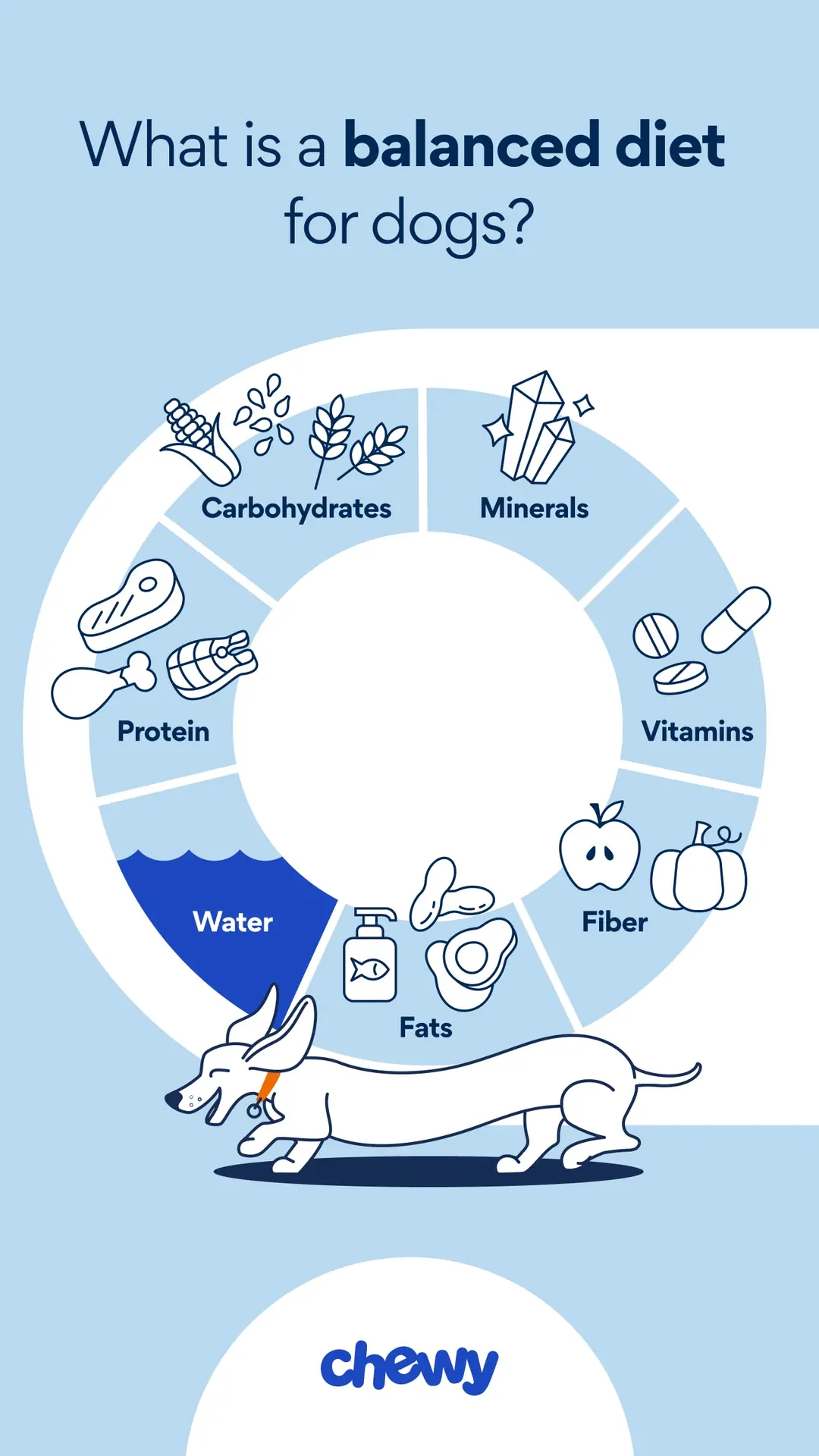
Proper nutrition is the foundation of your dog's health, longevity, and quality of life. Understanding your dog's caloric needs and nutritional requirements can help prevent obesity, support healthy growth, and maintain optimal body condition throughout their life. This comprehensive guide will help you navigate the complex world of canine nutrition.
Understanding Your Dog's Caloric Needs
Every dog has unique caloric requirements based on multiple factors including age, weight, activity level, metabolism, and health status. Unlike humans, dogs don't need variety in their diet for psychological satisfaction – they need consistent, balanced nutrition tailored to their specific needs.
The baseline caloric requirement for dogs is calculated using their Resting Energy Requirement (RER), which is then adjusted based on various factors. A moderately active, healthy adult dog typically needs about 2.5 times their RER, while a very active working dog might need 4-5 times their RER.
🔢 Calculate Now: Use our Daily Calorie Calculator to determine your dog's exact caloric needs based on their weight, age, activity level, and health status. Get personalized feeding recommendations instantly.
Factors Affecting Caloric Requirements
Age and Life Stage
Puppies require significantly more calories per pound of body weight than adult dogs due to their rapid growth and high energy levels. Growing puppies may need 2-3 times the calories per pound compared to adult dogs of the same breed.
Senior dogs often need fewer calories as their metabolism slows and activity levels decrease. However, some senior dogs may actually need more calories if they're experiencing muscle loss or certain health conditions.
Activity Level and Lifestyle
A sedentary lap dog has vastly different caloric needs compared to a working border collie or hunting retriever. Consider your dog's daily activities:
- Sedentary: Primarily indoor dogs with minimal exercise
- Moderately Active: Regular walks and some playtime
- Active: Daily vigorous exercise, hiking, or regular play sessions
- Very Active: Working dogs, sporting dogs, or dogs with intense daily exercise
Body Condition and Weight Management
Dogs carrying extra weight need fewer calories to lose weight safely, while underweight dogs may need increased calories. The goal is to maintain an ideal body condition score, where you can feel but not see your dog's ribs, and they have a visible waist when viewed from above.
Reading and Understanding Dog Food Labels
Dog food labels can be confusing, but understanding them is crucial for making informed decisions about your dog's nutrition. The Association of American Feed Control Officials (AAFCO) sets standards for pet food labeling and nutritional adequacy.
Key Elements to Look For:
- AAFCO Statement: Ensures the food meets minimum nutritional standards
- Life Stage: Puppy, adult, senior, or all life stages
- Guaranteed Analysis: Minimum protein and fat, maximum fiber and moisture
- Ingredient List: Listed by weight, with the first few ingredients being most significant
- Feeding Guidelines: Starting point for portion sizes
Types of Dog Food: Pros and Cons
Dry Kibble
The most popular and convenient option, dry food is cost-effective, has a long shelf life, and can help maintain dental health through mechanical cleaning action. However, it's heavily processed and contains less moisture than dogs would naturally consume.
Wet/Canned Food
Higher in moisture and often more palatable, wet food can be beneficial for dogs who don't drink enough water or have dental issues. It's typically more expensive per calorie and spoils quickly once opened.
Raw Diets
Some owners choose raw diets believing they're more "natural." While dogs can thrive on properly balanced raw diets, they require careful planning to ensure nutritional completeness and safe handling to prevent bacterial contamination.
Special Dietary Considerations
Food Allergies and Sensitivities
True food allergies in dogs are relatively rare, but food sensitivities can cause digestive upset or skin issues. Common allergens include beef, chicken, dairy, wheat, and soy. Limited ingredient diets can help identify problematic foods.
Medical Conditions
Certain health conditions require modified diets:
- Kidney Disease: Reduced protein and phosphorus
- Heart Disease: Reduced sodium
- Diabetes: High fiber, consistent carbohydrates
- Pancreatitis: Low fat
📊 Personalized Nutrition: Our calorie calculator tool accounts for your dog's specific health conditions and provides tailored feeding recommendations, including adjustments for weight management and activity level changes.
Feeding Schedules and Portion Control
Most adult dogs do well with twice-daily feeding, which helps prevent bloat and maintains steady energy levels. Puppies under six months typically need three to four meals per day.
Measuring Food Accurately
Use a standard measuring cup specifically for dog food, and level off each portion. Food labels provide guidelines, but these should be adjusted based on your dog's body condition and energy needs. Many dogs become overweight because owners rely solely on feeding guidelines without considering their individual dog's needs.
Treats and Supplements
Treats should comprise no more than 10% of your dog's daily caloric intake. When calculating daily nutrition, include all treats, training rewards, and table scraps in the total calorie count.
Most dogs eating a complete and balanced commercial diet don't need supplements unless recommended by a veterinarian for specific health conditions. Over-supplementation can actually be harmful, particularly with fat-soluble vitamins.
Signs of Proper Nutrition
A well-nourished dog will have:
- A shiny, healthy coat
- Clear, bright eyes
- Good energy levels appropriate for their age and breed
- Healthy weight and body condition
- Regular, well-formed stools
- Good muscle tone
When to Consult Your Veterinarian
Work with your veterinarian to develop a nutrition plan, especially if your dog has health issues, is significantly over or underweight, or if you're considering a major diet change. Regular body condition assessments can help ensure your feeding plan is working effectively.
Remember, nutritional needs change throughout your dog's life. What works for a young, active dog may not be appropriate for the same dog as a senior. Regular assessment and adjustment of your dog's diet ensures they receive optimal nutrition throughout their lifetime.